Source Safety Headband for Sports, Medical, and Outdoor Use
Find 30 verified safety headband options from Chinese manufacturers. Buyers can compare materials like polyester and cotton, protection levels, and customization features for sports, medical, and outdoor applications.
Key considerations
Products List
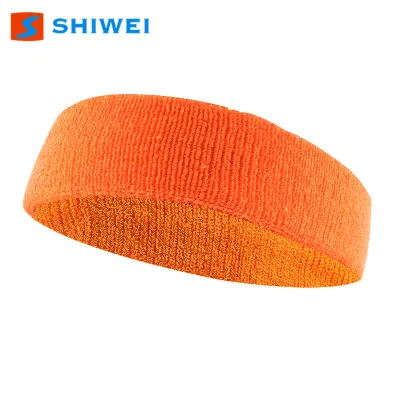


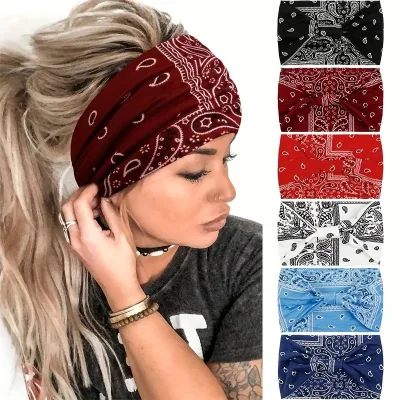


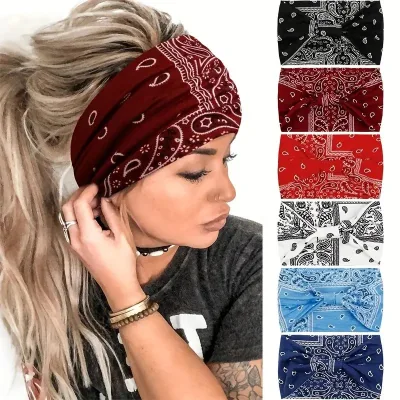


Comprehensive Sourcing Guide
Strategic Sourcing Guide for Safety Headbands
Understanding Product Definitions and Core Attributes
In the global B2B procurement landscape, the term "safety headband" often encompasses a diverse range of protective and functional accessories designed to mitigate injury risks during sports, medical procedures, and general outdoor activities. When evaluating suppliers for this category, buyers must first distinguish between products marketed strictly for fashion and those engineered for specific protective functions. The core product attributes observed in the current market indicate a primary focus on "Avoid Injuries," "health care," "meidcal use," and "sports safety." These functional claims suggest that the product is not merely an accessory but a piece of safety equipment intended to manage sweat, secure hair, or provide a basic barrier against minor impacts.
The material composition is a critical differentiator in this sector. Current market data reveals a split between products utilizing a blend of "Polyester & Cotton" and those constructed from "100% Polyester." The blend offers breathability and comfort, which is essential for extended wear during physical activities, while 100% polyester variants often prioritize durability, moisture-wicking capabilities, and resistance to deformation. The observed "Basic Protection" classification implies that these items are not designed for high-impact trauma protection but rather for low-risk environments such as leisure sports, military drills, or general outdoor use. Buyers should verify that the specific "Protection class" aligns with the intended use case, ensuring the headband provides the necessary "Basic Protection" without over-specifying for a product that may not meet higher safety thresholds.
Technical Specifications and Dimensional Standards
Precision in technical specifications is paramount when sourcing safety headbands, as dimensions directly influence fit, comfort, and protective efficacy. The market presents a variety of sizing standards, ranging from "one size for all" configurations to specific dimensional requirements. A common specification observed is a width of "2.5cm," which provides a balance between coverage and flexibility. However, buyers must also consider the "Thickness" attribute, which varies between "Thin" and "Medium" profiles. A "Thin" profile is often preferred for discreet wear under helmets or caps, whereas a "Medium" thickness may be required for enhanced cushioning or sweat absorption in high-intensity scenarios.
Dimensional consistency is further complicated by the "Single package size" and "Single gross weight" metrics. Typical packaging dimensions observed include "25X20X5 cm" with a gross weight of "0.250 kg" per unit, though some listings indicate a product weight of "52g" or a range of "52-55g." These variations highlight the importance of verifying the exact weight and volume before finalizing logistics calculations. Furthermore, the "Diameter" of the headband itself is a crucial specification, with some models listed at "D17 Cm." This measurement determines the circumference and ensures the product fits the target demographic, which is often described as "Universal" or "Unisex," though some listings specifically target "Women" or "Adults."
The following table summarizes the key technical variations found in the current supply base:
| Attribute | Observed Variation | Procurement Implication |
|---|---|---|
| Material | Polyester & Cotton vs. 100% Polyester | Determines breathability vs. durability needs. |
| Width | 2.5cm (Standard) | Affects coverage area and aesthetic profile. |
| Thickness | Thin vs. Medium | Influences comfort and cushioning level. |
| Diameter | D17 Cm (Specific) | Critical for sizing and fit verification. |
| Weight | 52g to 55g | Affects shipping costs and packaging density. |
| Size | One size for all vs. Specific | Determines inventory complexity and return rates. |
Compliance, Certification, and Safety Standards
Navigating the compliance landscape for safety headbands requires a nuanced approach, as the "Basic Protection" classification often sits outside the rigorous testing regimes applied to high-impact sports gear. While some background information references standards such as "EN 1078" or certifications like "CE," these should be treated as potential benchmarks rather than guaranteed attributes of every listed product. The supplied context explicitly mentions "SGS" as a standard for specific models, indicating that third-party verification is available but not universal across the entire category.
Buyers must exercise caution when interpreting certification claims. The presence of a "SGS" reference suggests that certain manufacturers adhere to international quality and safety testing protocols, but this does not automatically extend to all "safety headbands" in the market. Similarly, while "EN 1078" is a recognized standard for bicycle helmets and protective headgear, a headband labeled as "Basic Protection" may not be tested to this specific standard unless explicitly stated by the supplier. Therefore, procurement strategies should focus on requesting proof of compliance for the specific model number, such as "LB50021" or "SG16-1MB-36," rather than assuming blanket certification.
When evaluating suppliers, buyers should verify if the product meets the specific safety requirements of their target market. For instance, products intended for "Military" or "Outdoor" use may have different regulatory expectations compared to those for "Home and Leisure." The "prod_standard" field in supplier data often lists dimensions like "17x19cm" or "17x19cm/9x5.5x3cm," which serve as internal quality benchmarks rather than external safety certifications. To ensure safety, buyers should request specific test reports related to material flammability, chemical content, and mechanical strength, particularly if the headband is intended for use in regulated environments.
Cost Drivers and Pricing Dynamics
The pricing structure for safety headbands is influenced by a complex interplay of material costs, customization levels, and order volumes. The observed price range in the market spans from $0.02 to $6.20 USD, a significant variance that reflects differences in material quality, branding, and production complexity. The lower end of this spectrum typically corresponds to basic "100% Polyester" or "Polyester & Cotton" blends with minimal customization, while the higher end often includes premium branding, complex patterns like "Dobby," or specialized packaging.
Minimum Order Quantities (MOQ) are another critical cost driver, with observed ranges spanning from 10 to 100,000 units. Small buyers may find suppliers willing to accept low MOQs of 10 units, which is ideal for sampling or small-scale testing, but this often comes with a higher unit cost. Conversely, large-volume orders can leverage economies of scale to reduce the per-unit price, though they require a commitment to larger quantities. The "Selling Units" are typically listed as "Single item," but bulk packaging options like "250PCS/CTN" with a gross weight of "9kgs" are common for wholesale transactions.
Customization is a significant factor in cost escalation. Options such as "SHIWEI or Customer Required" logos, specific color selections (Pink, White, Yellow, Black), and custom packaging (Hangtag, Sticker, Polybag) add to the production cost. The "OEM" (Original Equipment Manufacturer) capability is widely available, allowing buyers to brand products as their own, but this requires additional setup fees and longer lead times. Buyers must balance the desire for customization against the budget constraints, ensuring that the added cost aligns with the perceived value of the branded product.
Supplier Evaluation and Operational Capabilities
Selecting the right supplier for safety headbands requires a thorough evaluation of their operational capabilities, location, and production flexibility. The primary manufacturing hubs identified in the market are "Jiangsu, China" and "Wenzhou China," regions known for their textile and garment manufacturing expertise. Suppliers in these locations often possess established supply chains for polyester and cotton materials, which can streamline production and reduce lead times. However, buyers should verify the specific "Place of Origin" for each order, as quality standards can vary between different factories even within the same region.
The "Technics" employed by suppliers, such as "Machine Made," indicate a level of automation that ensures consistency in product quality. This is particularly important for maintaining uniformity in dimensions like the "2.5cm" width and "D17 Cm" diameter. Additionally, the availability of "Samples" is a crucial indicator of a supplier's reliability. Suppliers that offer samples allow buyers to physically inspect the "Thickness," "Weight," and "Material" before committing to a large order. This step is essential for verifying that the product meets the "Basic Protection" claims and fits the intended use case.
Packaging and logistics capabilities are also vital components of supplier evaluation. The "prod_packing" options range from simple "opp bag" to more elaborate "Hangtag" or "Sticker" configurations. Some suppliers provide detailed packing specifications, such as "1PC/Polybag, 250PCS/CTN, 45X30X25cm," which helps buyers calculate shipping costs and warehouse space requirements. The "Qty/CTN" is often listed as "Tba" (To Be Advised), suggesting that buyers should negotiate this figure based on their specific logistical needs. A supplier's ability to accommodate custom packaging and labeling requirements is a strong indicator of their flexibility and customer service orientation.
Quality Control and Long-Term Procurement Strategies
Implementing a robust quality control (QC) strategy is essential for mitigating risks associated with sourcing safety headbands. Given the "Basic Protection" classification, buyers should focus on QC checks that verify material integrity, stitching quality, and dimensional accuracy. Regular inspections should confirm that the "Polyester & Cotton" or "100% Polyester" materials meet the specified weight and thickness requirements. Any deviation in the "Diameter" or "Width" could compromise the fit and effectiveness of the product, leading to customer dissatisfaction or safety issues.
Long-term procurement considerations involve building a sustainable relationship with suppliers who can consistently deliver high-quality products. This includes establishing clear communication channels for addressing quality issues and ensuring that the "Customization" options remain consistent over time. Buyers should also monitor the "Age Group" and "Gender" specifications to ensure the product remains relevant to their target market. For instance, a shift in demand from "Adults" to "Children" or "Women" may require adjustments in sizing and design.
Furthermore, buyers should consider the environmental and ethical implications of their sourcing decisions. While the supplied data does not explicitly mention sustainability certifications, the use of "Polyester" and "Cotton" raises questions about material sourcing and production practices. Buyers may wish to inquire about the supplier's adherence to labor standards and environmental regulations, particularly if the product is intended for markets with strict sustainability requirements. By prioritizing suppliers who demonstrate transparency and commitment to quality, buyers can secure a reliable supply chain that supports their long-term business goals.
In conclusion, sourcing safety headbands requires a meticulous approach that balances technical specifications, compliance requirements, cost considerations, and supplier capabilities. By leveraging the observed market data and adhering to rigorous quality control standards, buyers can identify suppliers that deliver products meeting their specific safety and operational needs. The key lies in verifying claims, understanding the nuances of the "Basic Protection" category, and maintaining a proactive stance on quality assurance throughout the procurement process.
FAQs
What materials are used for safety headbands?
Safety headbands are constructed from Polyester & Cotton blends or 100% Polyester. These materials provide breathability and durability suitable for sports safety and medical use.
Can I customize the logo on these headbands?
Yes, customization is available for logos including the brand name SHIWEI or customer requirements. Buyers can request specific branding to align with their product identity.
What is the minimum order quantity for these items?
The minimum order quantity ranges from 10 to 100,000 units depending on the supplier. Lower quantities are suitable for sampling while larger orders leverage bulk pricing.
Where are these safety headbands manufactured?
These products originate from Jiangsu, China, and Wenzhou, China. Suppliers in these regions offer established textile manufacturing capabilities for polyester and cotton goods.
What is the typical width of the headband?
The standard width for these headbands is 2.5cm. This dimension ensures a balance between coverage and flexibility for various head sizes.
Are samples available for testing before bulk orders?
Samples are available for buyers to verify quality and fit. This allows purchasers to inspect the material and thickness before committing to a large purchase.
What is the price range for these headbands?
The observed price range is between 0.02 and 6.2 USD per unit. Costs vary based on material composition, customization levels, and order volume.